Paint vs. Stain: Which Is Best for Decks, Fences, and Porches?
Many people seek expert paint vs. stain advice for decks, fences, and porches, and local contractors can help determine the best finish to protect and enhance these surfaces.
Visitors exploring paint vs. stain: which is best for decks, fences, and porches? are in the right place. Choosing the right finish can significantly impact the appearance, durability, and maintenance of outdoor wood surfaces. Property owners in the area often find themselves weighing these options to enhance their home's curb appeal while protecting their investment. Understanding the differences between paint and stain can help make informed decisions, whether updating a worn porch or refreshing a fence. Local contractors who specialize in deck, porch, and fence painting or staining are available to provide guidance and quality service, ensuring the chosen finish meets both aesthetic and practical needs.
Deciding between paint and stain involves considering factors like appearance, weather resistance, and ease of upkeep. This discussion is especially relevant for property owners looking to preserve the integrity of their outdoor structures over time. By exploring the pros and cons of each option, readers can better determine what works best for their specific project. Service providers in the area are equipped to handle these applications expertly, helping homeowners achieve the look they want with long-lasting results. Keep reading to discover practical insights that can help inform your next outdoor project and connect with local experts who can bring it to life.
- Local contractors can help determine whether paint or stain best suits decks, fences, and porches based on material and exposure. - When surfaces need protection against weathering or fading, service providers recommend appropriate painting or staining techniques. - For restoring or updating the appearance of outdoor wood features, local pros can advise on the best finishing options. - If a surface requires ongoing maintenance, professionals can apply durable coatings suited to the specific needs of paint or stain. - Choosing between paint and stain for decks, fences, and porches involves evaluating the desired look and longevity, which local contractors can help clarify.
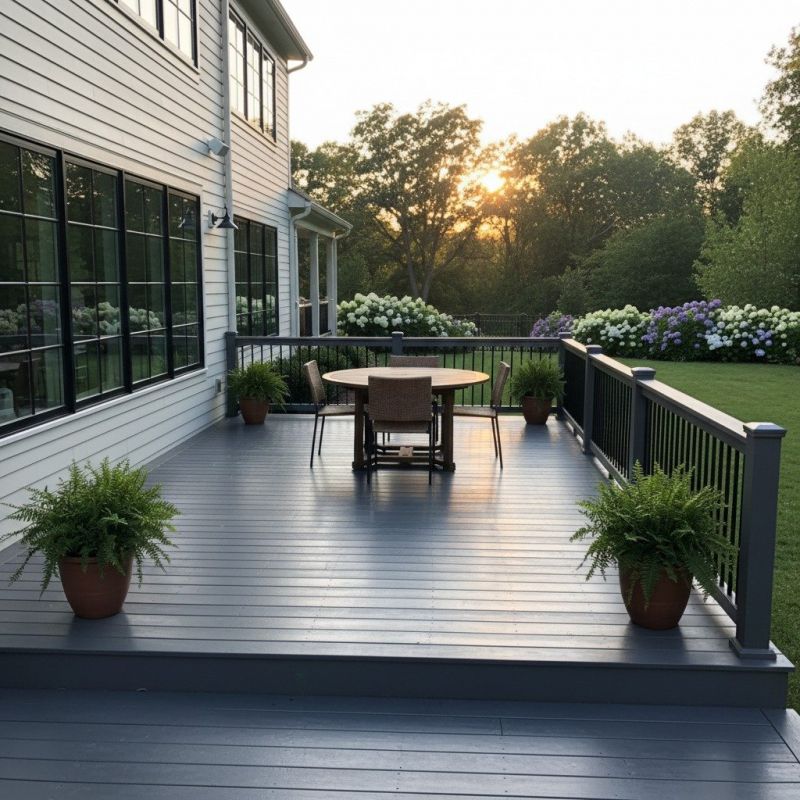
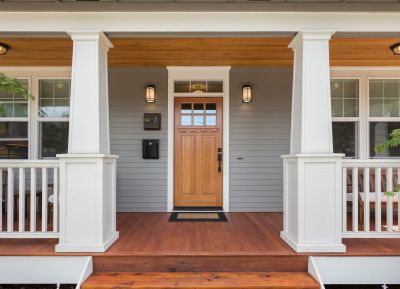
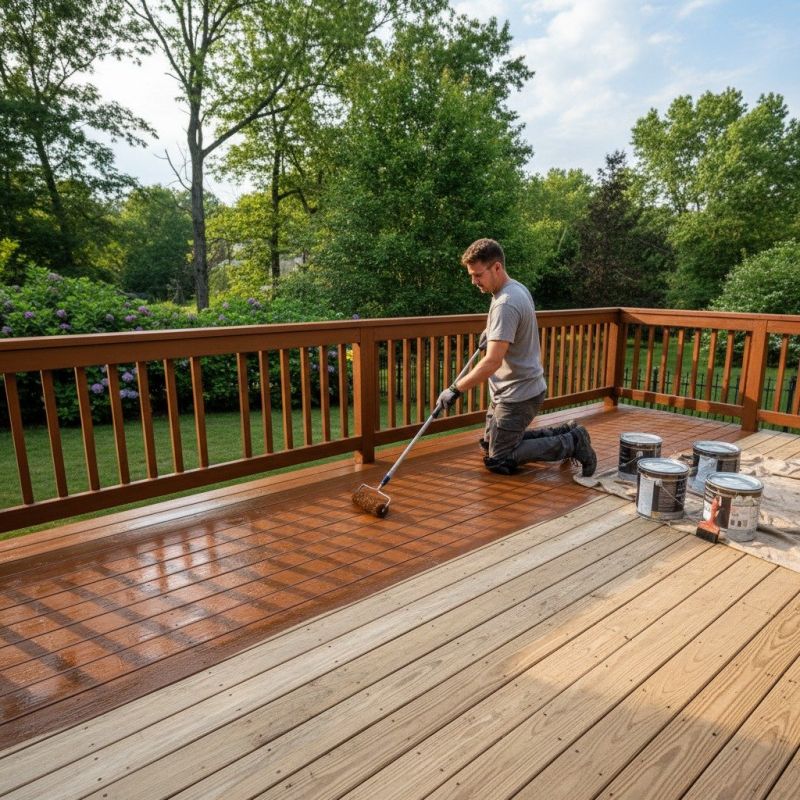
When homeowners search for information about paint vs. stain: which is best for decks, fences, and porches, they are typically trying to determine the most effective way to protect and enhance the appearance of these outdoor surfaces. This question often arises during renovation or maintenance projects when the existing finish has worn out, or when planning a new outdoor space. People are usually concerned with how each option will impact the durability, look, and maintenance needs of their wood structures. Understanding the differences helps them decide whether to prioritize a more vibrant, opaque finish or a more natural, transparent look that highlights the wood grain.
The decision between painting and staining a deck, fence, or porch relates to specific problems or plans homeowners have for their outdoor property. For instance, some may want to refresh a faded or peeling surface, seeking a finish that provides a uniform color and a clean appearance. Others might prioritize preserving the natural beauty of the wood while adding a layer of protection against weather and pests. The choice can also depend on whether the project involves a new build or an older structure requiring restoration. Local service providers who specialize in painting or staining can assess the condition of the wood and recommend the best approach based on the property's needs and the homeowner’s aesthetic preferences.
Properties that typically come up in discussions about paint vs. stain for outdoor wood surfaces include residential fences, decks, and porches, as well as certain commercial or community spaces. Fences often require a finish that withstands exposure to the elements over many years, making durability a key factor. Decks and porches, which are used regularly and are more exposed to foot traffic and weather, also need finishes that balance appearance with longevity. The materials involved-such as pressure-treated wood, cedar, or composite materials-can influence the choice, as some finishes adhere better to certain surfaces. Local contractors who specialize in exterior wood finishing can evaluate these factors and recommend suitable products and techniques to ensure the best results.
Ultimately, the decision between paint and stain hinges on the homeowner’s goals for their outdoor space, as well as the specific conditions of the property. Paint offers a more opaque, color-rich finish that can completely hide imperfections and provide a uniform look, but it may require more frequent maintenance. Stain, on the other hand, enhances the natural wood grain and often penetrates deeper, providing a more subtle appearance with easier touch-ups. Connecting with experienced local contractors can help homeowners understand which option aligns with their project needs, whether they desire a vibrant, long-lasting color or a more natural, low-maintenance finish. These professionals can provide guidance tailored to the property's material, exposure, and aesthetic preferences.
Wood staining projects involve preparing and applying protective finishes to outdoor wood surfaces, similar to deck, fence, and porch staining, requiring knowledge of wood types and weatherproofing techniques.
Exterior painting services focus on surface preparation, priming, and applying paint to wood and other materials, aligning with skills used in painting decks, porches, and fences.
Surface restoration projects include stripping old finishes and applying new coatings, which are common steps in maintaining the appearance and durability of outdoor structures like decks and fences.
Weatherproofing and sealing services involve applying sealants and protective coatings to outdoor wood, similar to stain and paint applications for porches and fences.
Deck and porch repair services often require surface prep and finishing skills, making them related to the work involved in painting or staining these areas.
Fence installation and finishing projects include applying protective treatments post-installation, requiring similar tools and planning as fence staining or painting services.
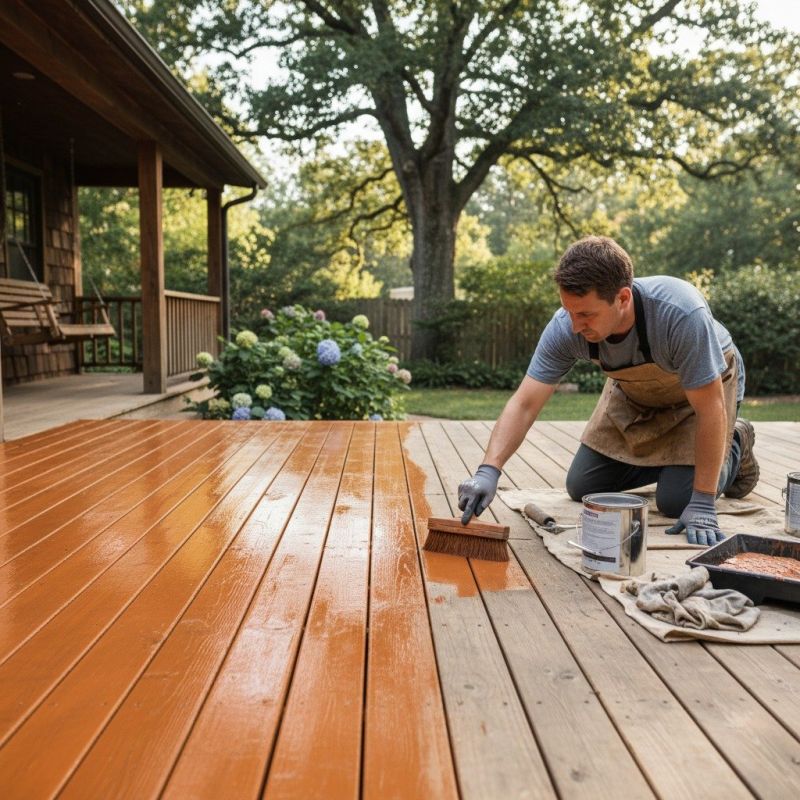
When evaluating service providers for painting or staining decks, fences, and porches, it is important to consider their experience with similar projects. Contractors who have a proven track record working specifically on outdoor wood surfaces like decks, fences, and porches are more likely to understand the unique requirements of each material and finish. An experienced local contractor can offer insights into the best products and techniques for achieving durable results, whether opting for paint or stain. Checking references or reviews from previous clients who had comparable work done can provide a clearer picture of a contractor’s expertise and reliability in handling projects similar to the one at hand.
Clear written expectations are essential when comparing local contractors for painting or staining services. A detailed project scope should outline the specific surfaces to be treated, the type of finish preferred, and any preparations or additional work involved. This clarity helps ensure that both parties are aligned on the scope of work, preventing misunderstandings or surprises later on. When discussing options like paint vs. stain, a reputable contractor will be able to explain the benefits and limitations of each choice in writing, helping homeowners make informed decisions based on their aesthetic preferences and the long-term performance of the finish.
Effective communication is a vital factor in selecting the right service provider for deck, porch, or fence finishing projects. A dependable local contractor will listen carefully to the homeowner’s goals and provide clear, straightforward answers to questions about paint versus stain, including how each option might impact maintenance and appearance over time. Good communication also involves transparency about the process, timelines, and any potential challenges that could arise. Contractors who prioritize open dialogue help ensure that expectations are realistic and that homeowners feel confident in the choices made, leading to a smoother project experience from start to finish.
Property owners often search for paint vs. stain: which is best for decks, fences, and porches? when they are planning practical projects around their homes and businesses. Local pros provide Deck, Porch, and Fence Painting or Staining services for everyday jobs and straightforward project options.
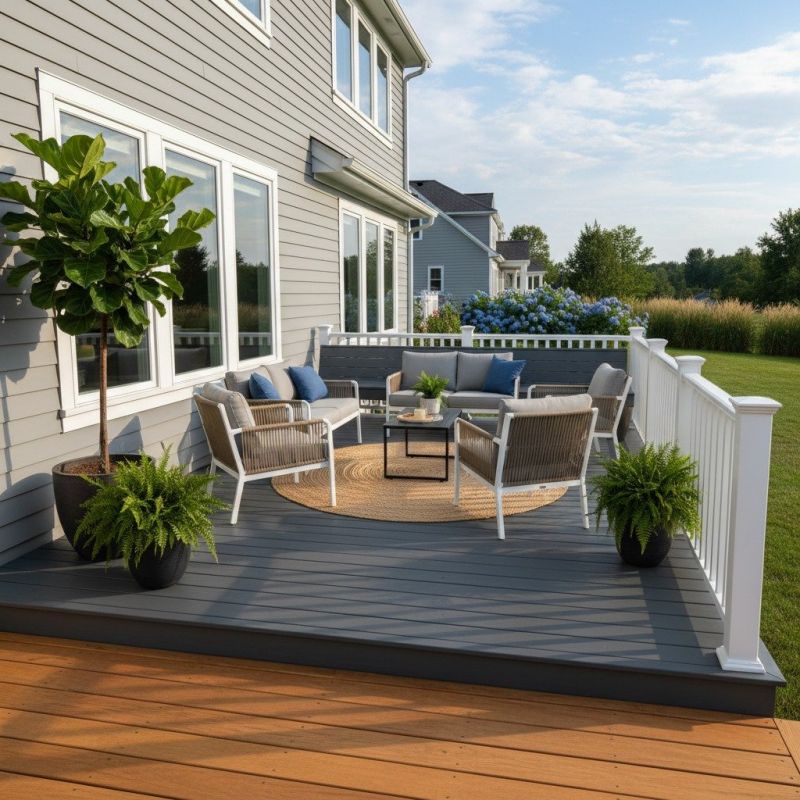
Homeowners in the area often look into paint vs. stain: which is best for decks, fences, and porches? Many property owners consider this decision when updating outdoor surfaces, aiming to enhance curb appeal or protect their investment. Since each option offers different benefits-such as paint providing a solid, colorful finish or stain allowing the wood’s natural grain to show-local contractors can help determine the best choice based on the specific material, climate, and desired look.
For those seeking to refresh or preserve their outdoor structures, local service providers can offer expert advice on whether paint or stain suits their project needs. Whether the goal is to achieve a smooth, uniform appearance or to highlight the wood’s natural beauty, these professionals can handle the application efficiently and effectively. Connecting with experienced contractors ensures that decks, fences, and porches receive the appropriate treatment for durability and aesthetic appeal.
What are the main differences between paint and stain for decks, fences, and porches? Paint creates a solid, opaque finish that covers the surface completely, while stain penetrates the wood, highlighting its natural grain with a translucent or semi-transparent color. Local contractors can help determine which option best suits the desired appearance and durability for outdoor structures.
Which option offers better protection against weather and UV damage? Stain generally provides good protection by penetrating the wood and sealing it from moisture, while paint forms a protective film that can resist weathering. Service providers can advise on the most suitable choice based on local climate conditions and the specific material of the deck, fence, or porch.
Is stain or paint easier to maintain over time? Stain typically requires less frequent reapplication and is easier to touch up because it wears more evenly, whereas paint may peel or crack and need more extensive maintenance. Local pros can recommend maintenance strategies to keep the finish looking its best.
Can paint or stain be applied over existing finishes? Yes, both paint and stain can often be applied over existing finishes if properly prepared, such as cleaning and sanding the surface. Professionals can assess the current condition and advise on the best approach for a long-lasting result.
Which option is more suitable for preserving the natural look of wood? Stain is typically preferred for maintaining a natural appearance since it enhances the wood grain with minimal coverage, while paint covers the surface completely. Local contractors can help select the finish that aligns with the desired aesthetic for decks, fences, and porches.
Assessing durability needs - property owners can discuss with local contractors whether paint or stain offers better longevity for decks, fences, and porches based on their usage and exposure.
Choosing appearance and color options - homeowners can explore how paint's vibrant colors compare to stain's natural look when planning updates to outdoor structures.
Considering maintenance requirements - property owners may evaluate which finish type aligns with their willingness to perform upkeep and touch-ups over time.
Matching materials with weather conditions - local service providers can advise on whether paint or stain better protects wood surfaces against local climate factors.
If you are thinking about paint vs. stain: which is best for decks, fences, and porches? for a property, this guide is meant to help you understand this topic, the typical project types, and how different options might fit your plans.
When you are ready, you can use the quote form on this page to share a few details about your project. From there, local pros can review the basics and follow up with options that match what you have in mind.